


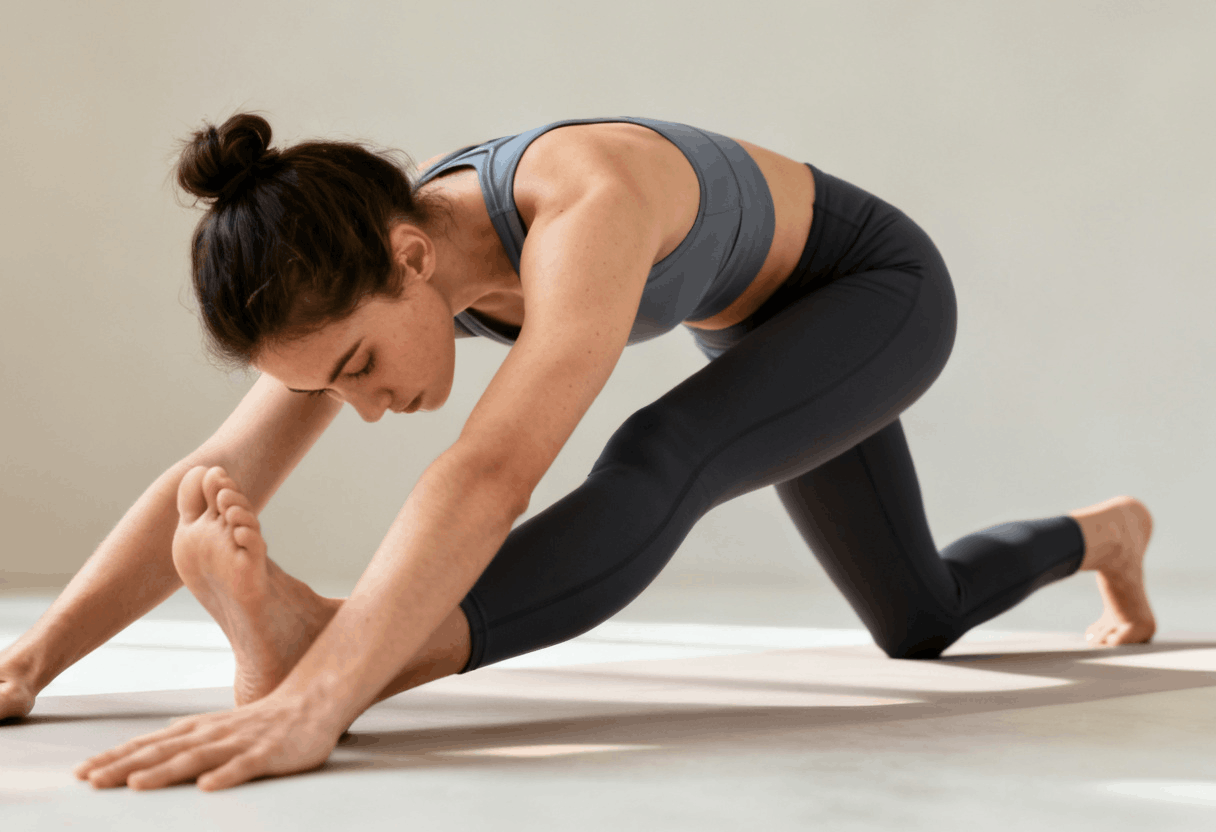
Are you looking to improve your flexibility but not sure where to start? When it comes to fitness, many people tend to focus on strength and cardio training, but forget the importance of flexibility. Having good flexibility can not only improve your physical performance but also prevent injuries and promote relaxation. In this guide, I will share some helpful tips and exercises to improve your flexibility as a beginner.
Why is Flexibility Important?

Flexibility plays a major role in your overall fitness and well-being. Not only does it help you move more easily, but it also reduces the risk of injuries. Flexible muscles and joints make everyday movements like:
- bending
- reaching
- Even walking is much easier and smoother
Additionally, good flexibility supports better posture and balance. People who stretch regularly often experience fewer aches and pains, especially in the lower back and neck. If you want to stay active, recover faster after workouts, or simply feel better day to day, flexibility matters a lot.
What Affects Your Flexibility?
A few important factors can impact your flexibility:
- Age: As we get older, our muscles and joints naturally lose some flexibility.
- Activity Level: Being sedentary leads to tighter muscles, while staying active helps you stay more limber.
- Gender: Women are generally more flexible than men, but everyone can see improvement with practice.
- Genetics: Some people are naturally more flexible, which is normal.
The good news is that anyone, regardless of age or background, can learn how to improve flexibility for beginners by building healthy habits.
How to Get Started Improving Flexibility

When starting out, it’s important to take it slow and listen to your body. Here are some simple steps:
- Warm Up First: Always start with a gentle warm-up. Walking in place, arm circles, or marching for five minutes will get your blood flowing and prepare your body for stretching.
- Focus on Major Muscle Groups: Spend extra time stretching the hamstrings, quadriceps, hips, shoulders, and back. These areas typically get tight from daily routines.
- Hold Each Stretch: To see real improvements, aim to hold each stretch for at least 20–30 seconds. Avoid bouncing. Instead, breathe deeply and relax into the stretch.
- Don’t Push Too Hard: You should feel a gentle pull, not pain. Pushing too far can lead to injury, so always stop before it hurts.
- Stretch Regularly: Consistency is key. Try to stretch at least three times a week for noticeable results.
Best Stretches for Beginners
If you are unsure about which stretches to try, here are several beginner-friendly options.
1. Neck Release
- Sit or stand with your back straight.
- Gently tilt your head to one side, bringing your ear toward your shoulder.
- Hold and breathe deeply for 20–30 seconds, then switch sides.
2. Shoulder Stretch
- Extend one arm across your chest.
- Use your other hand to press the arm toward your chest.
- Hold for 20–30 seconds and then switch arms.
3. Cat-Cow Stretch (for Back and Spine)
- Start on your hands and knees.
- Arch your back (cat), then drop your belly and lift your head (cow).
- Continue to shift between the two for one minute.
4. Standing Quad Stretch
- Stand up straight and grab one ankle behind you.
- Gently pull your foot toward your glute, keeping your knees together.
- Hold for 20–30 seconds, then switch legs.
5. Hamstring Stretch
- Sit with one leg extended and the other bent.
- Reach for your toes, aiming to keep your back straight.
- Hold for 20–30 seconds, and repeat on the other leg.
6. Figure Four Stretch (for Hips)
- Lie on your back and bend both knees.
- Cross your right ankle over your left knee.
- Gently pull your left thigh toward you and hold for 20–30 seconds. Switch sides.
7. Seated Forward Fold
- Sit with both legs extended straight out.
- Inhale, then exhale as you hinge forward from your hips, reaching for your toes.
- Hold here, feeling a stretch in your hamstrings and back.
Tips to Stay Motivated
Sticking to a new habit, like flexibility work, can be tricky at first. Here are some ways to stay on track:
- Set Reminders: Mark your calendar or set a phone alert.
- Track Your Progress: Note how far you can reach after each week.
- Celebrate Small Wins: Flexibility improves slowly; notice and reward your efforts.
- Pair with Other Routines: Try stretching right after another daily habit, such as brushing your teeth or after a walk.
- Find Resources: There are lots of online videos and guided routines for beginners.
Mistakes to Avoid When Improving Flexibility
Even with the best intentions, beginners sometimes make common errors. To stay safe and keep progressing, try to avoid:
- Skipping warm-ups: Cold muscles are more likely to strain.
- Stretching too quickly or bouncing: Move into stretches gently and stay steady.
- Forgetting to breathe: Deep breaths help your muscles relax and lengthen.
- Expecting instant results: It can take weeks to notice big changes. Patience is essential.
- Ignoring pain: You should never feel sharp discomfort. If you do, stop and adjust the stretch.
Creating a Flexibility Routine for Beginners

A simple routine can make a big difference over time, especially if you are just starting out. Here’s a sample plan for a week:
Day 1:
- Full body warm-up (5 minutes)
- Neck, shoulders, and hamstring stretches (hold each for 20–30 seconds, repeat twice)
Day 2:
- Rest or light walking
Day 3:
- Warm-up (5 minutes)
- Cat-cow, quad, and hip stretches (hold each for 20–30 seconds, repeat twice)
Day 4:
- Rest or easy activity
Day 5:
- Warm-up (5 minutes)
- Entire routine: Target each major muscle group
Day 6:
- Yoga or gentle movement (optional)
Day 7:
- Rest and recovery
Feel free to adjust the schedule to fit your lifestyle. The most important thing is to keep moving and make stretching a positive, regular part of your day.
How to Improve Flexibility for Beginners Safely
Taking care of your body is vital, especially while stretching. For best results:
- Drink water before and after stretching.
- Wear comfortable clothing that allows you to move freely.
- If you feel dizzy or sore after stretching, rest and try again later.
- If you have any medical conditions, talk to your doctor before starting any new routine.
Latest Data and Flexibility Trends
According to the American College of Sports Medicine, adults should perform flexibility exercises for each major muscle-tendon group at least twice per week. Studies show that people who stretch regularly report less pain and better mobility as they age. Furthermore, research suggests that static stretches (holding a position) and dynamic stretches (moving gently through a range of motion) both help with flexibility.
Apps and online programs are making guided stretching more accessible than ever. Consider trying out digital tools or local classes so you can learn proper technique and stay motivated.
Adding Flexibility to Everyday Life
Improving your flexibility doesn’t always mean spending an hour at the gym. Here are some clever ways to fit stretches into your day:
- Stand up and do a shoulder roll every hour if you sit at a desk.
- Reach for your toes while watching TV.
- Stretch your calves while brushing your teeth.
- Do a gentle side bend when you first wake up or before bedtime.
These small habits add up and help you become more flexible without much extra time.
Final Words
How to improve flexibility for beginners is an achievable goal when you use a thoughtful approach and stay consistent. Flexibility supports your overall health, prevents discomfort, and even leads to better posture and balance. By following the simple, practical advice in this guide, you’ll set yourself up for lasting progress.
Remember: start slow, be patient, and make stretching a part of your everyday life. Small efforts add up over time, resulting in a more flexible, comfortable, and active you. Keep going, and celebrate every little improvement along your journey toward better fitness and flexibility.
Frequently Asked Questions
How long does it take to improve flexibility for beginners?
For most people, noticeable results show up in 3-4 weeks when stretching regularly. Everyone is different, so don’t get discouraged if progress is slow at first.
What’s better, static or dynamic stretching?
Both types of stretching benefit flexibility. Static stretches are held in place, while dynamic stretches involve moving through a range of motion. You can include both in your routine for the best results.
Is yoga helpful for flexibility?
Absolutely. Yoga is excellent for all fitness levels and focuses on both flexibility and strength.

